General Overview
Overview
- There are 2 generations of XtremIO, the first generation being designated X1 and the second generation being X2. This is not to be confused with the numbering of the Xbricks in a multi-brick cluster.
X1 has BBUs and X2 has NVRAM no BBUs
X-Brick : X1
X1
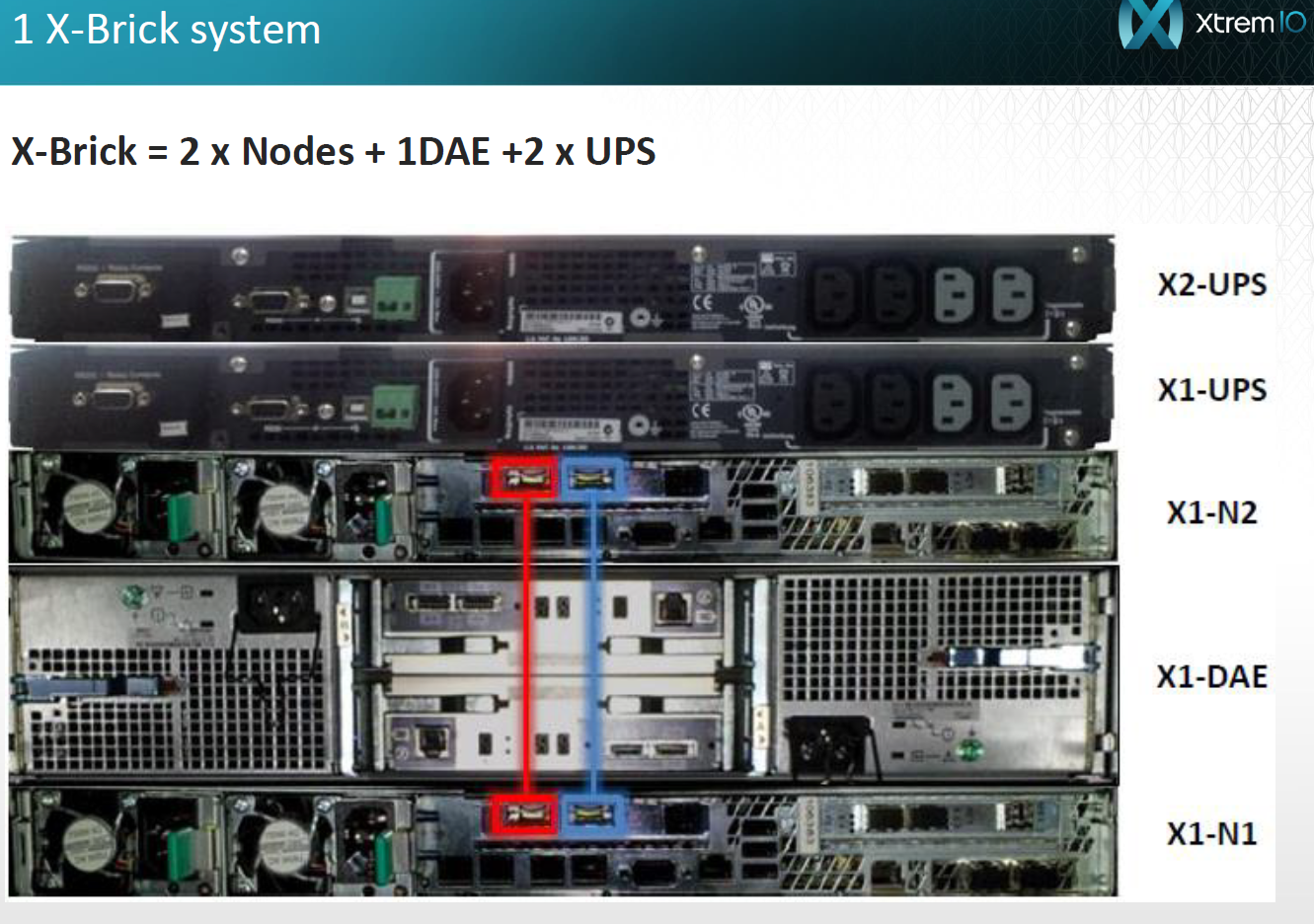
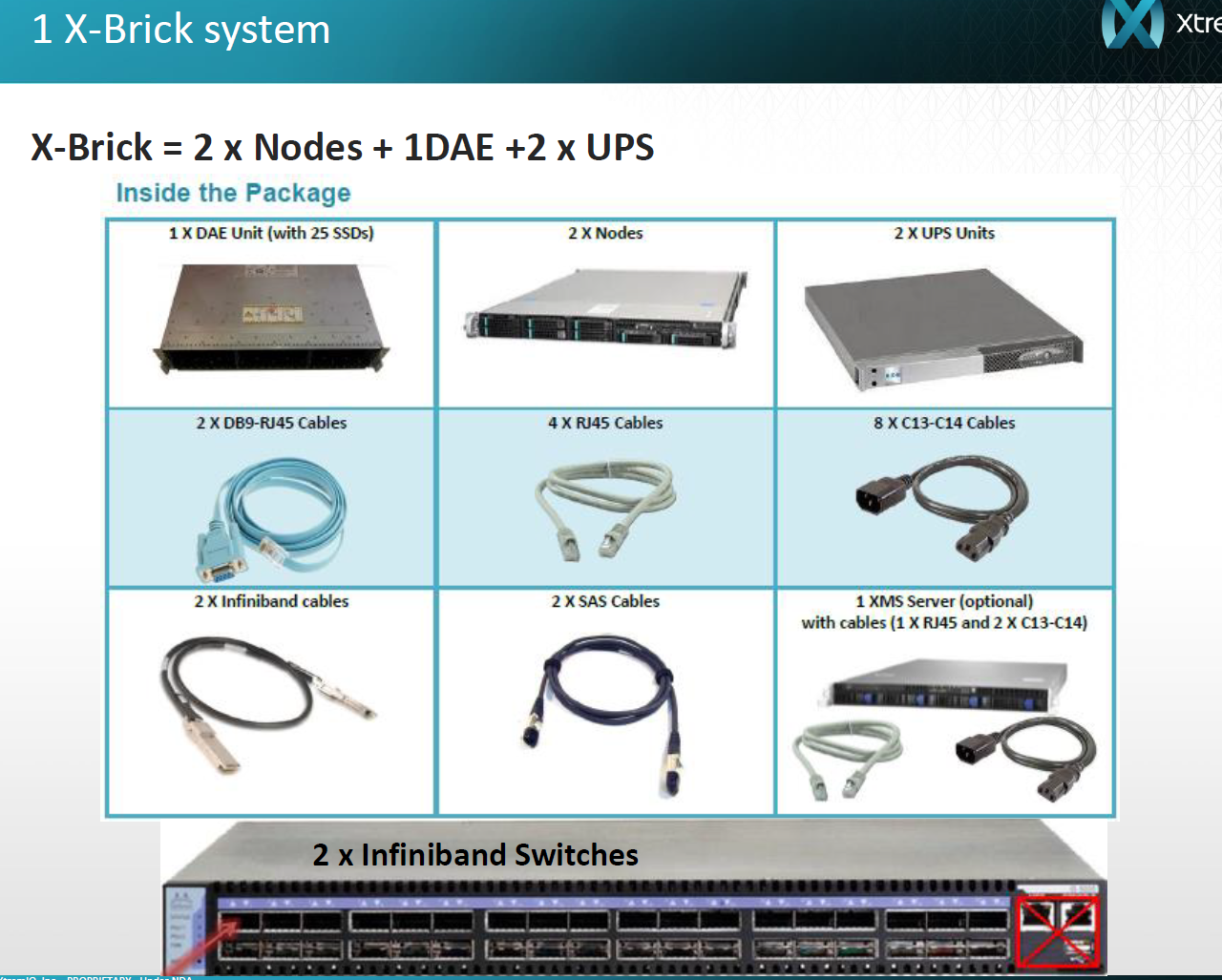
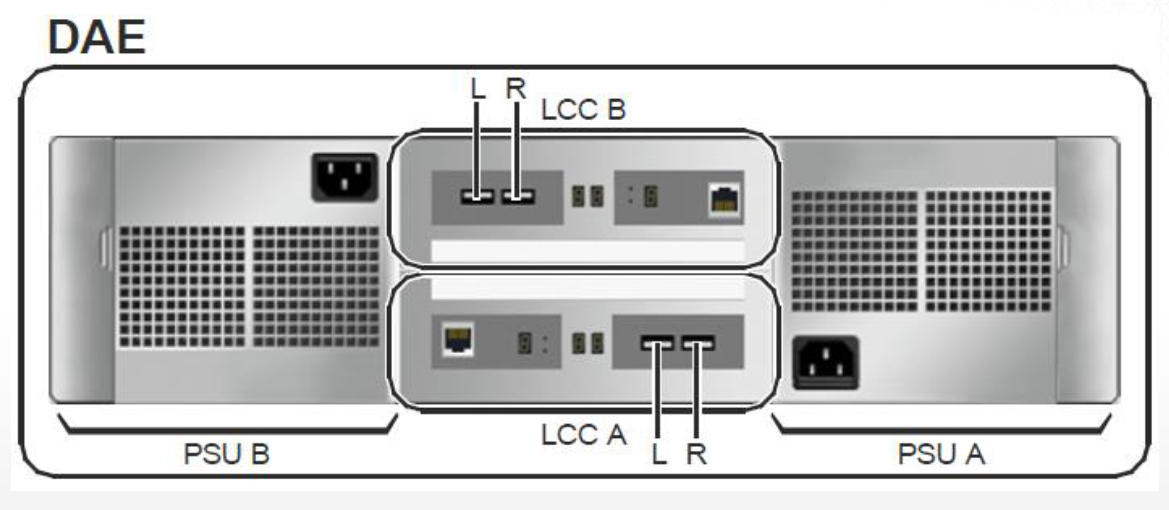
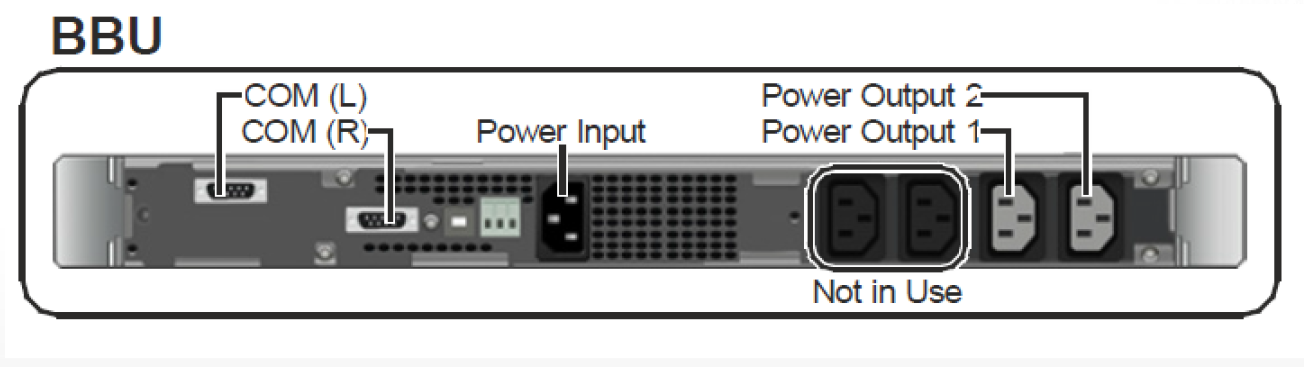
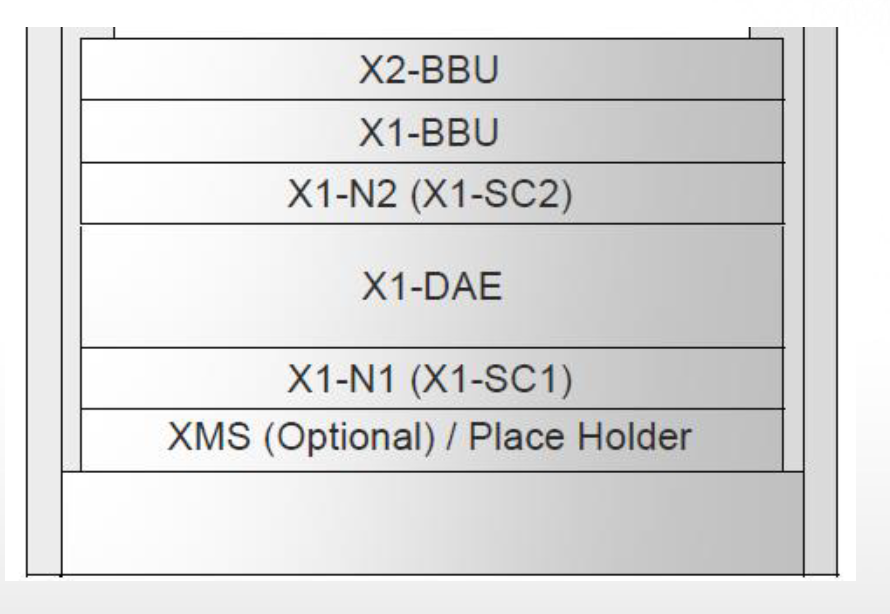
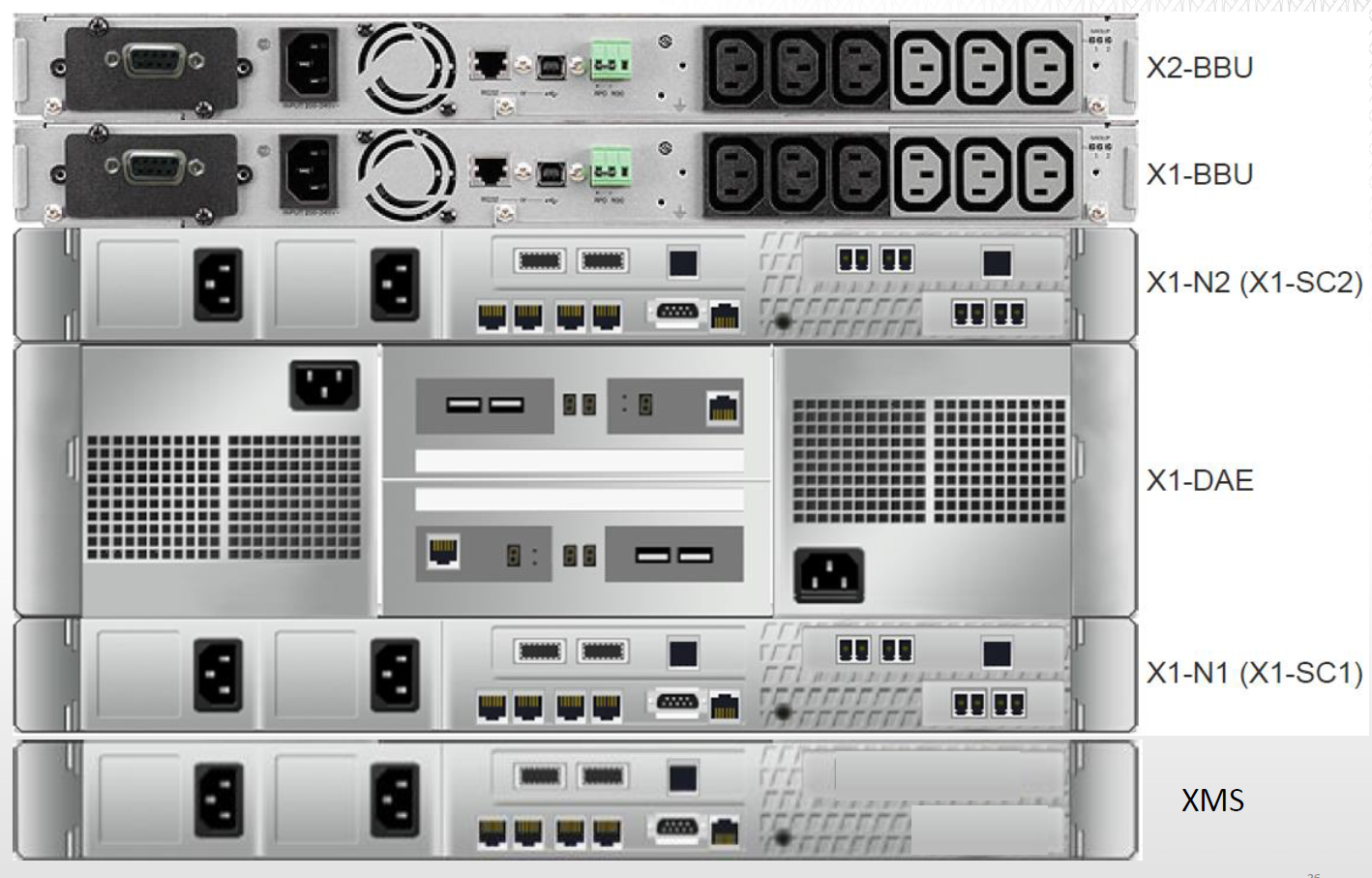
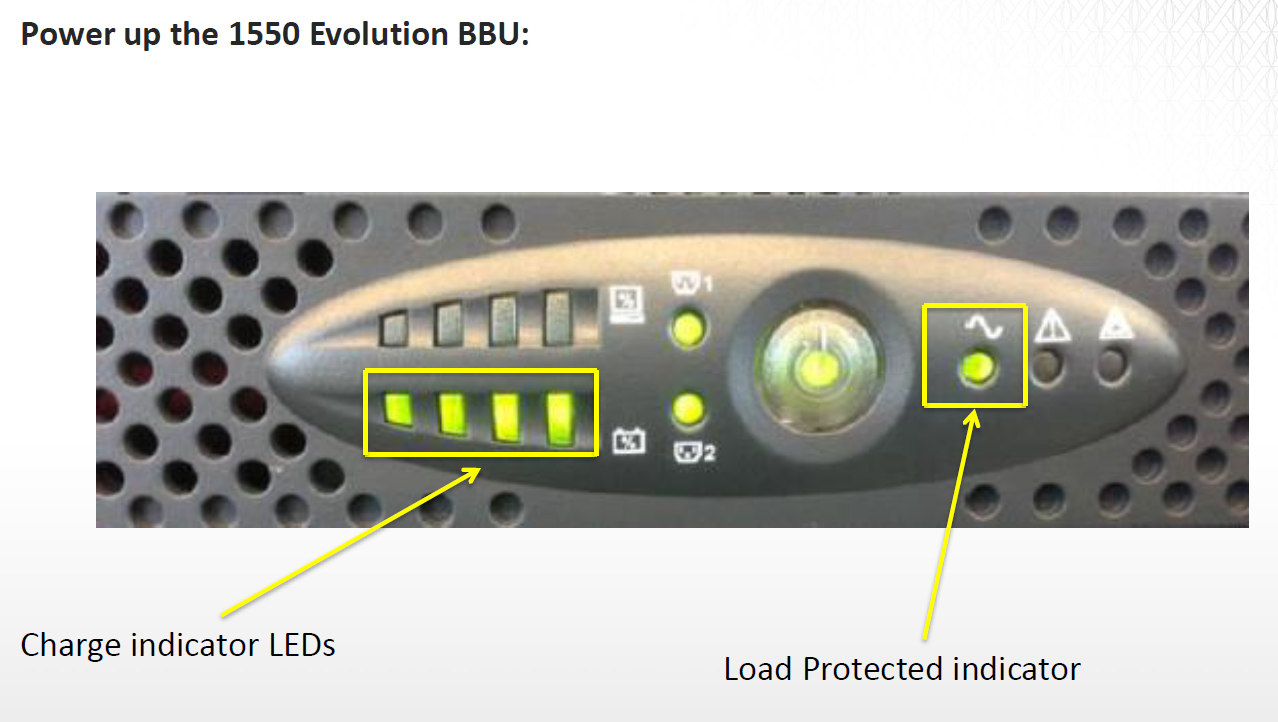
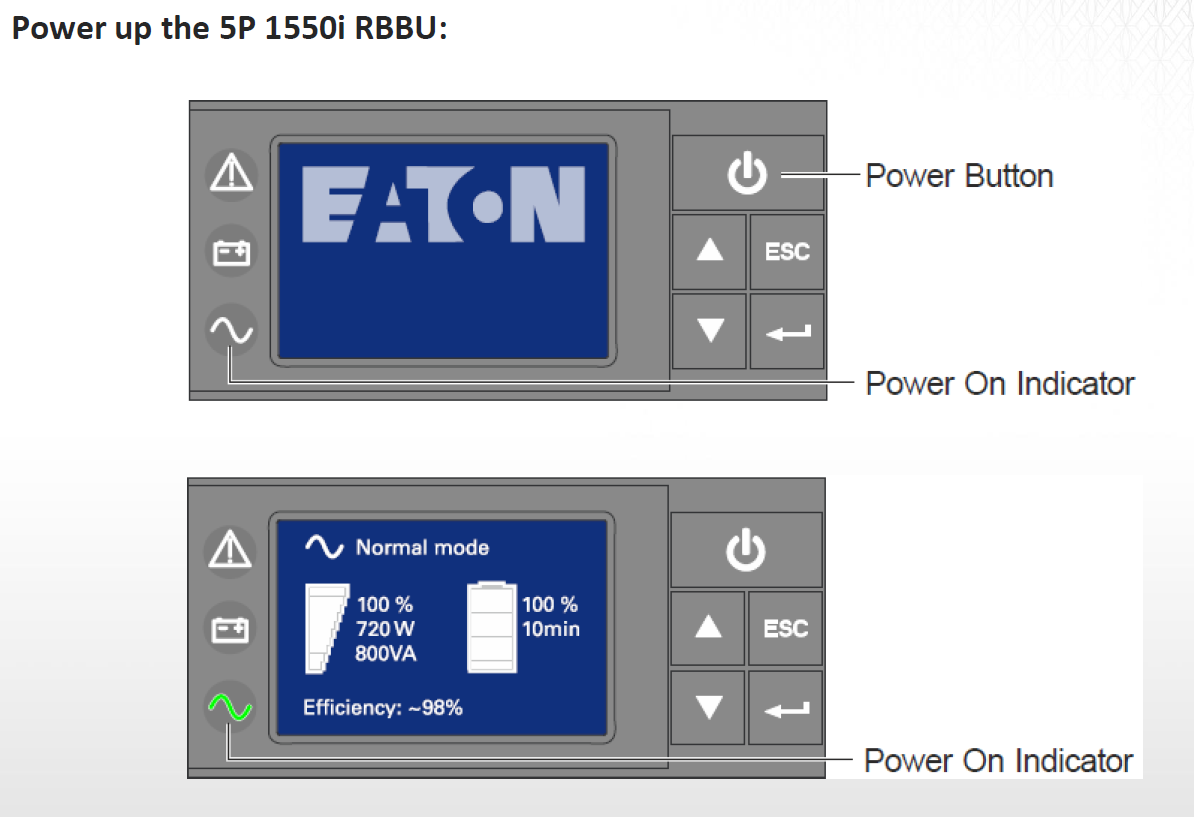
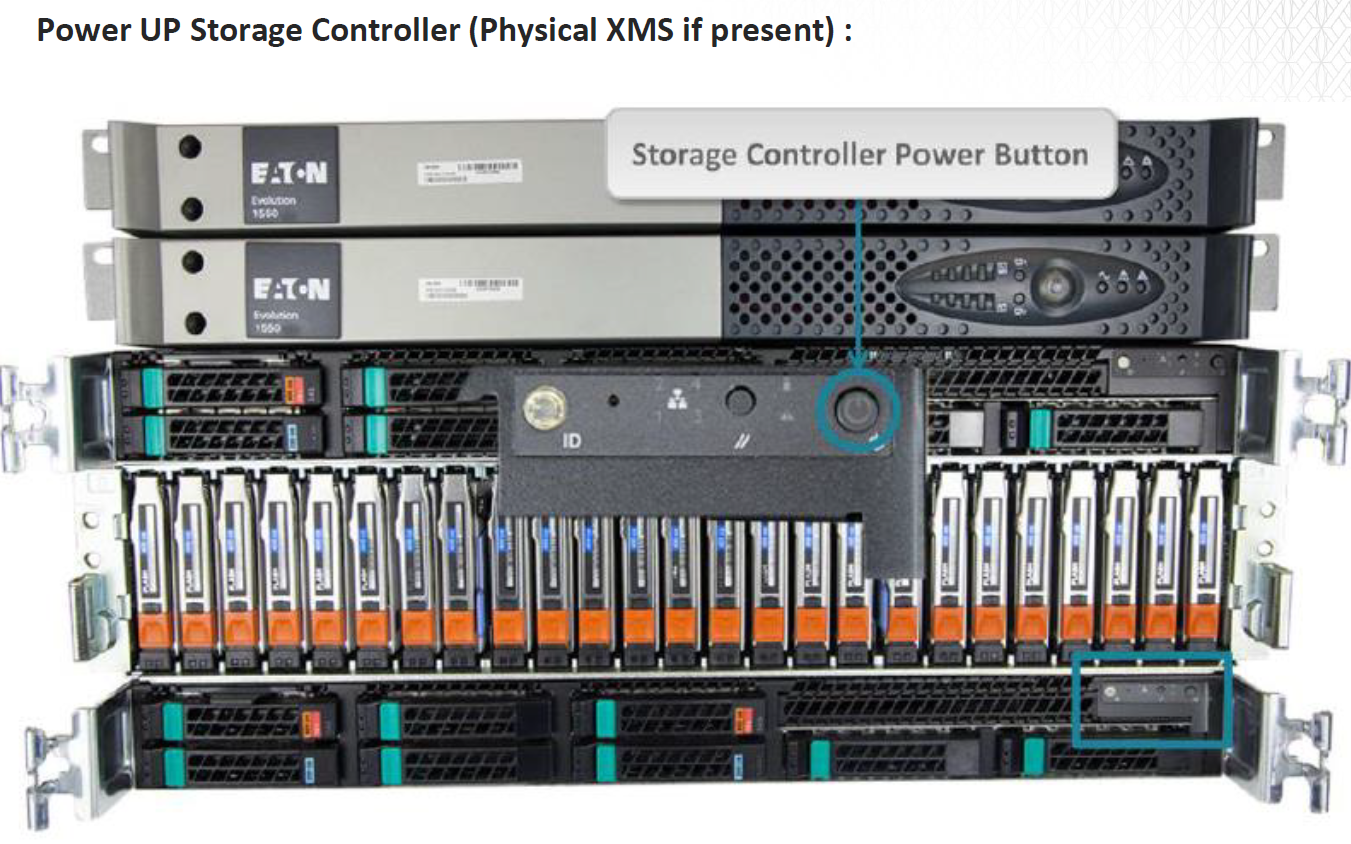
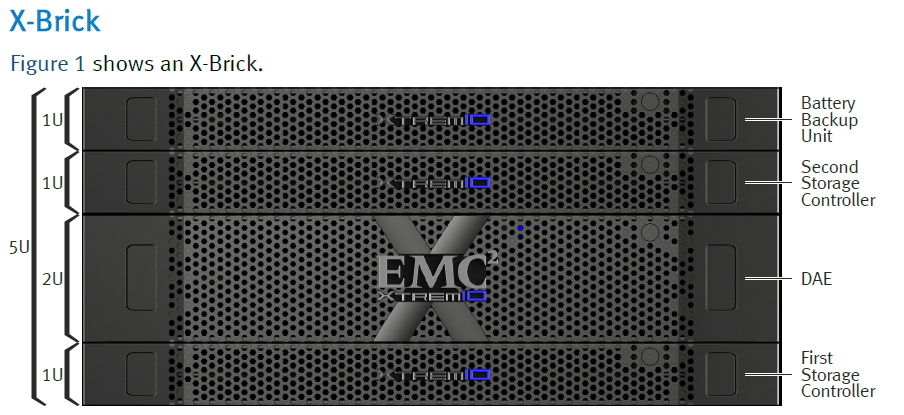
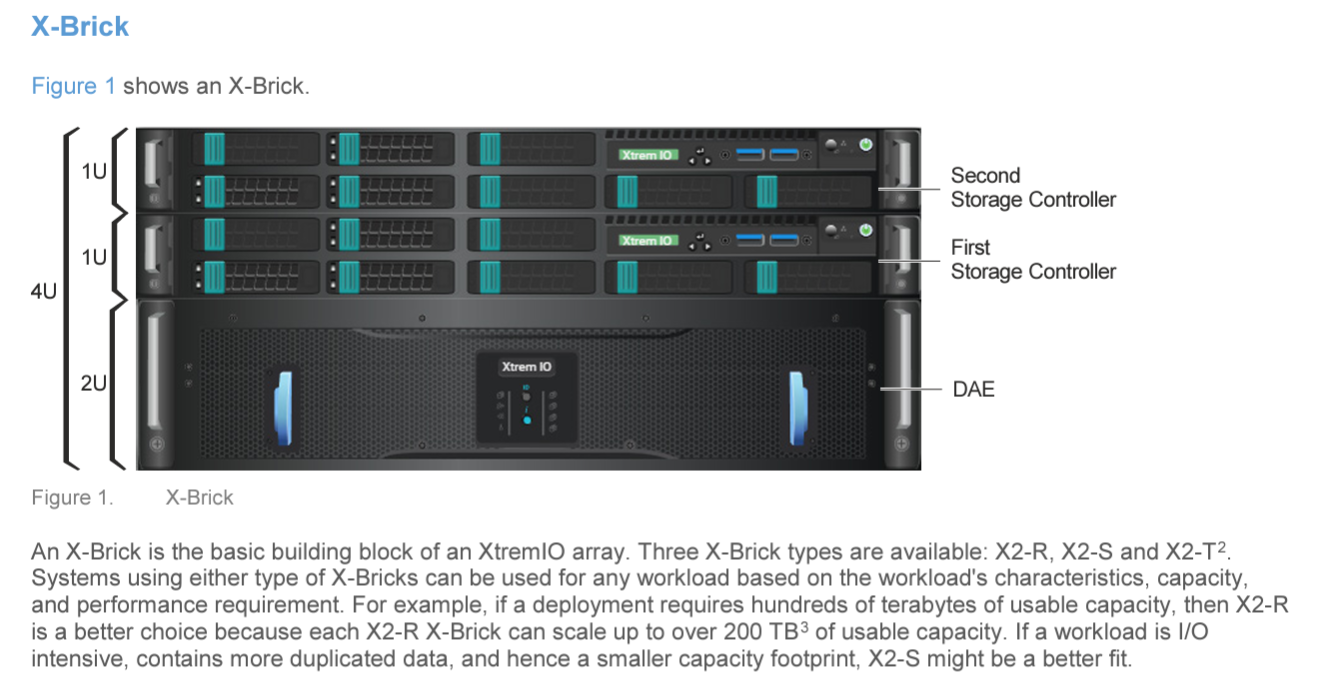
An X-Brick is the basic building block of an XtremIO array.
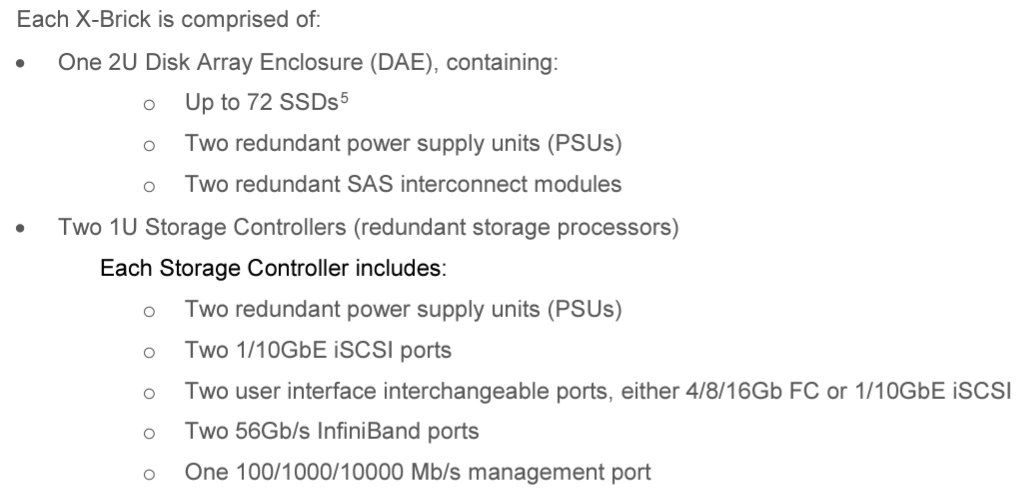
Each X-Brick is comprised of:
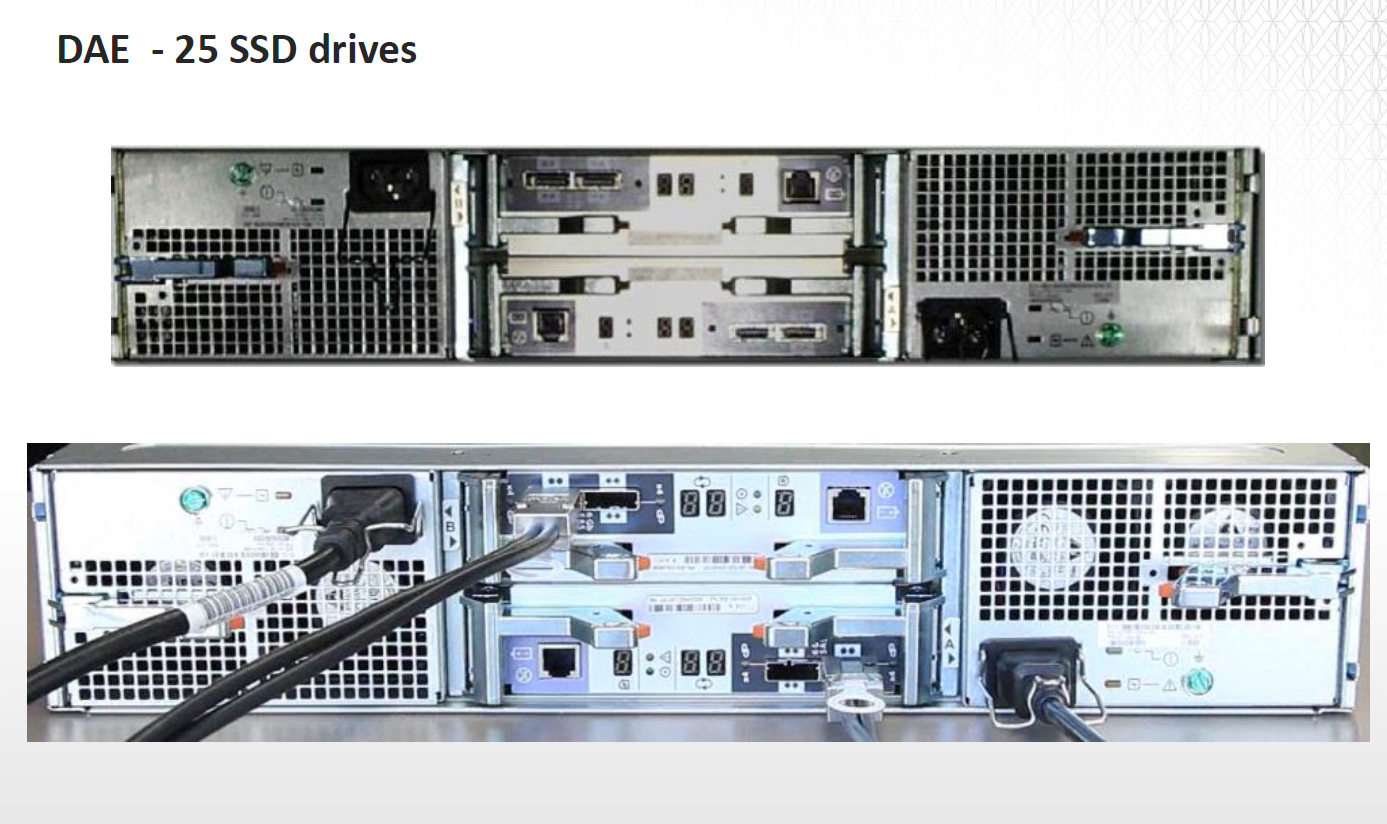
• One 2U Disk Array Enclosure (DAE), containing:
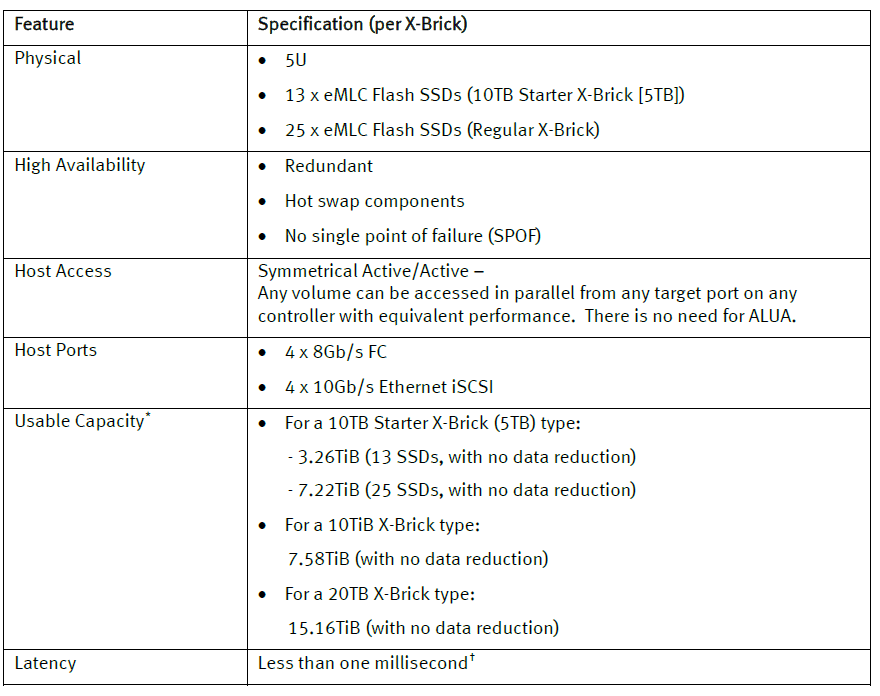
- 25 eMLC SSDs (standard X-Brick) or 13 eMLC SSDs (10TB Starter X-Brick [5TB])
- Two redundant power supply units (PSUs)
- Two redundant SAS interconnect modules
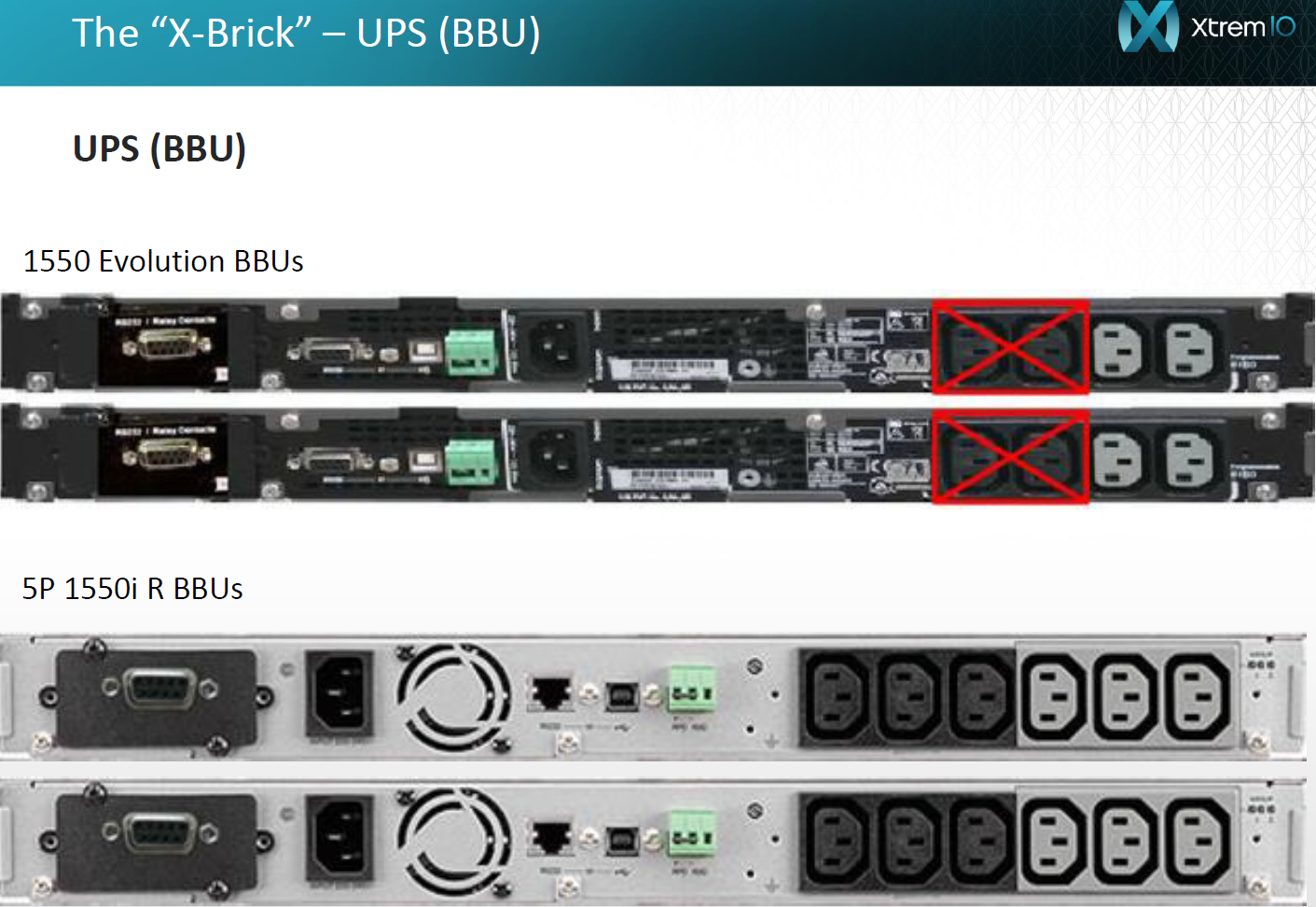
• One Battery Backup Unit
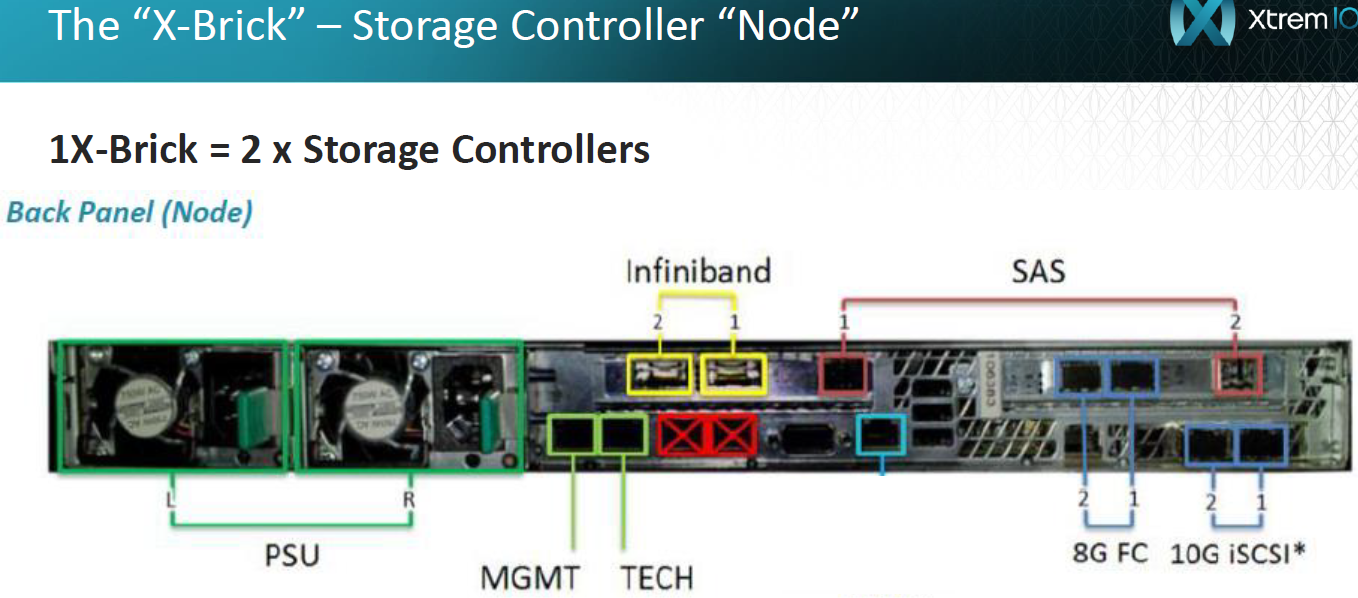
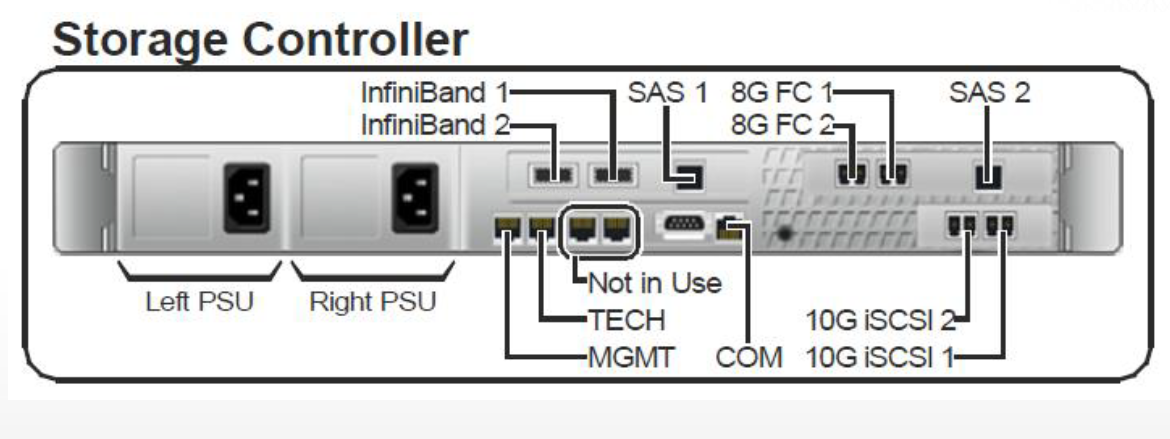
• Two 1U Storage Controllers (redundant storage processors)
Each Storage Controller includes:
- 2 redundant power supply units (PSUs)
- 2 8Gb/s Fibre Channel (FC) ports
- 2 10GbE iSCSI ports
- 2 40Gb/s InfiniBand ports
- 1 1Gb/s management/IPMI port
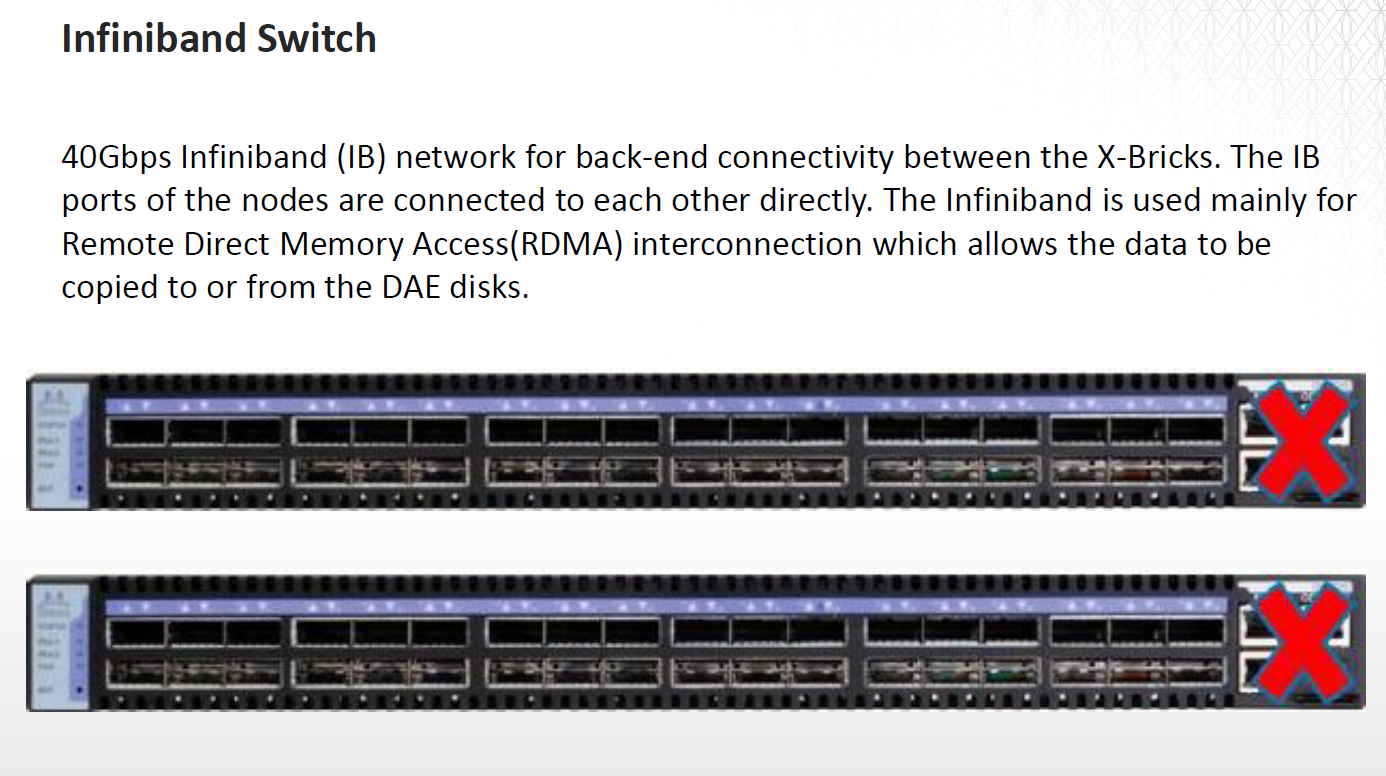
With clusters of two or more X-Bricks, XtremIO uses a redundant 40Gb/s QDR
InfiniBand network for back-end connectivity between the Storage Controllers,
ensuring a highly available, ultra-low latency network. The InfiniBand network is a
fully managed component of the XtremIO array and administrators of XtremIO
systems do not need to have specialized skills in InfiniBand technology.
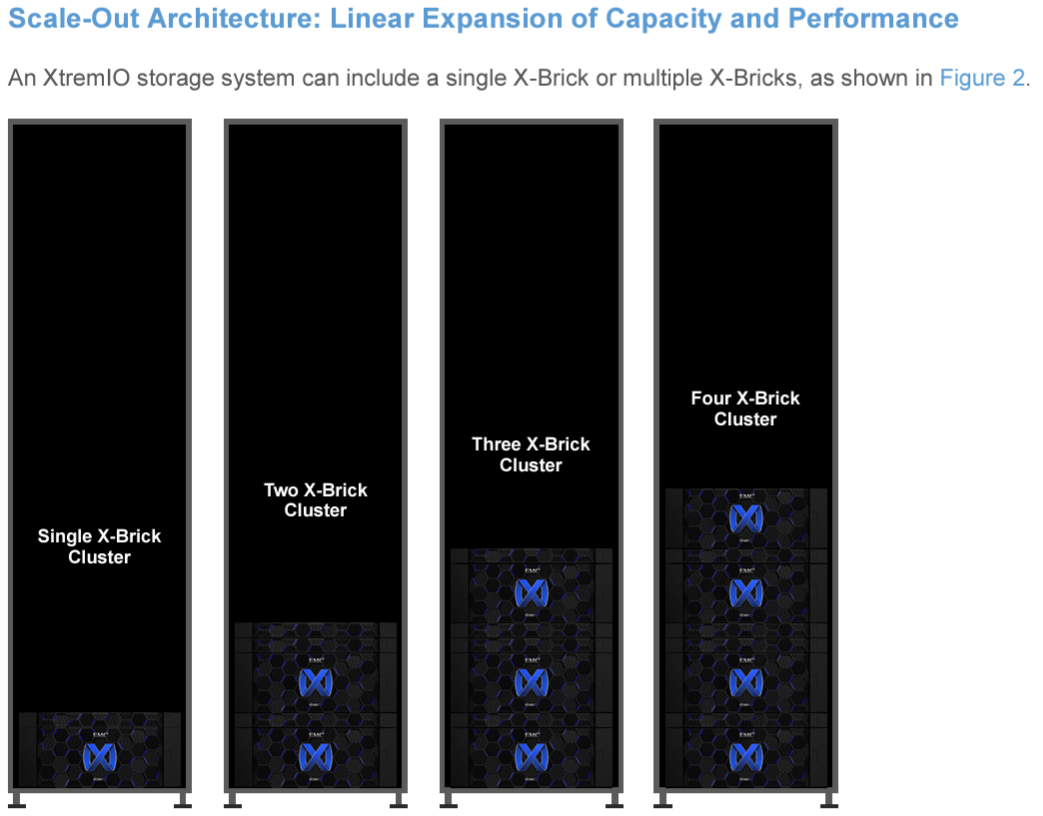
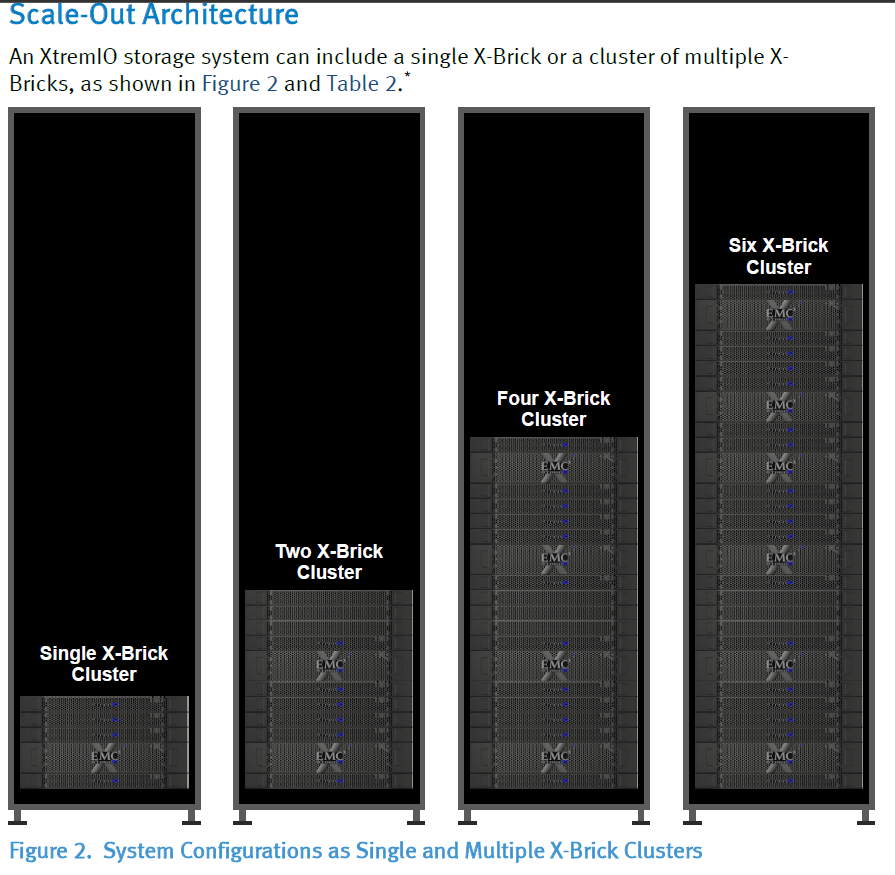
A single X-Brick cluster consists of:
• One X-Brick
• One additional Battery Backup Unit
A multiple X-Brick cluster consists of:
• Two or four X-Bricks
• Two InfiniBand Switches
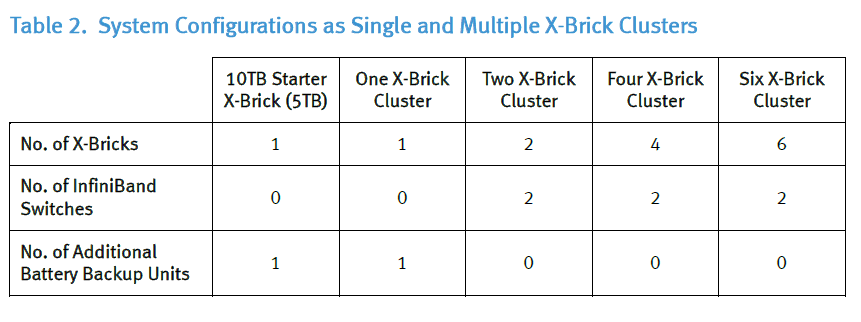
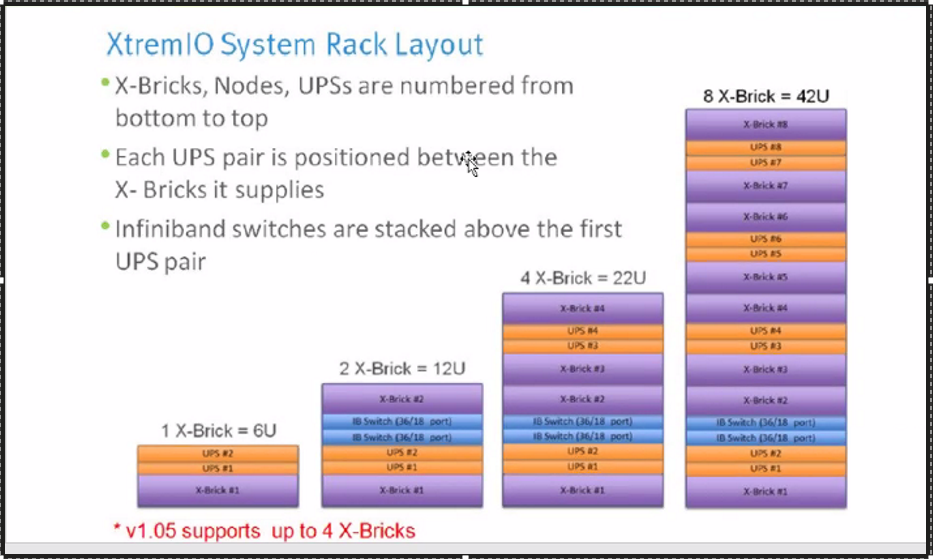
• Either 1 BBU per X Brick or 2 BBUs( depends on model)
• 2 SCs (storage controllers)
• DAE (disk Shelf)
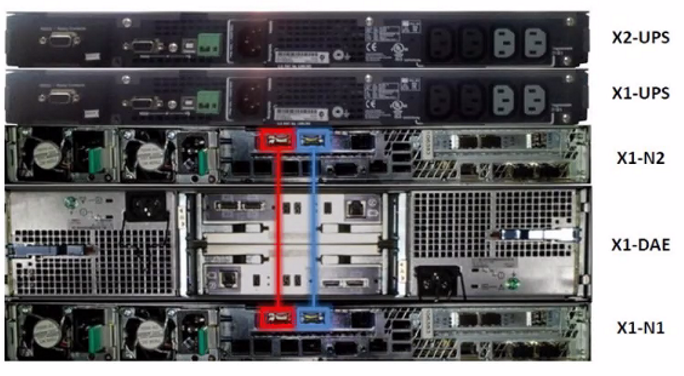
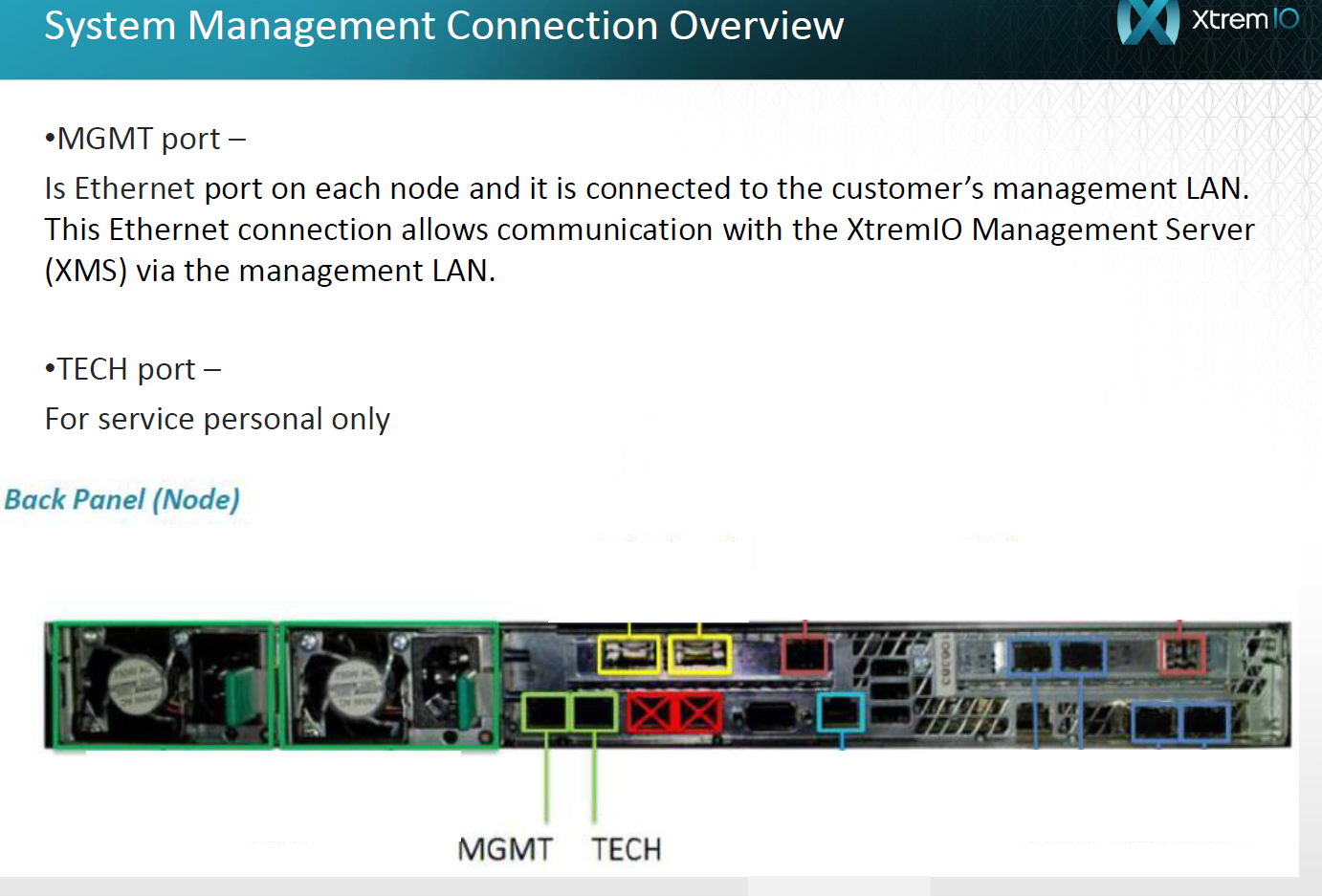
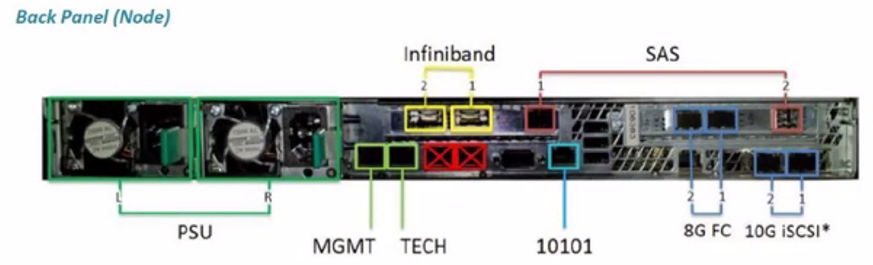
Storage controller: (1U Supermicro X 86 server)
• Red X ports are never used
• Blue 101010 is a console connection ( not used for 3rd party maintenance)
• Green are management ports
• Yellow are Infiniband connections
• Orange are SAS connections
• Others are 8G fiber channel and 10G iSCSI
• Controllers are Active-Active
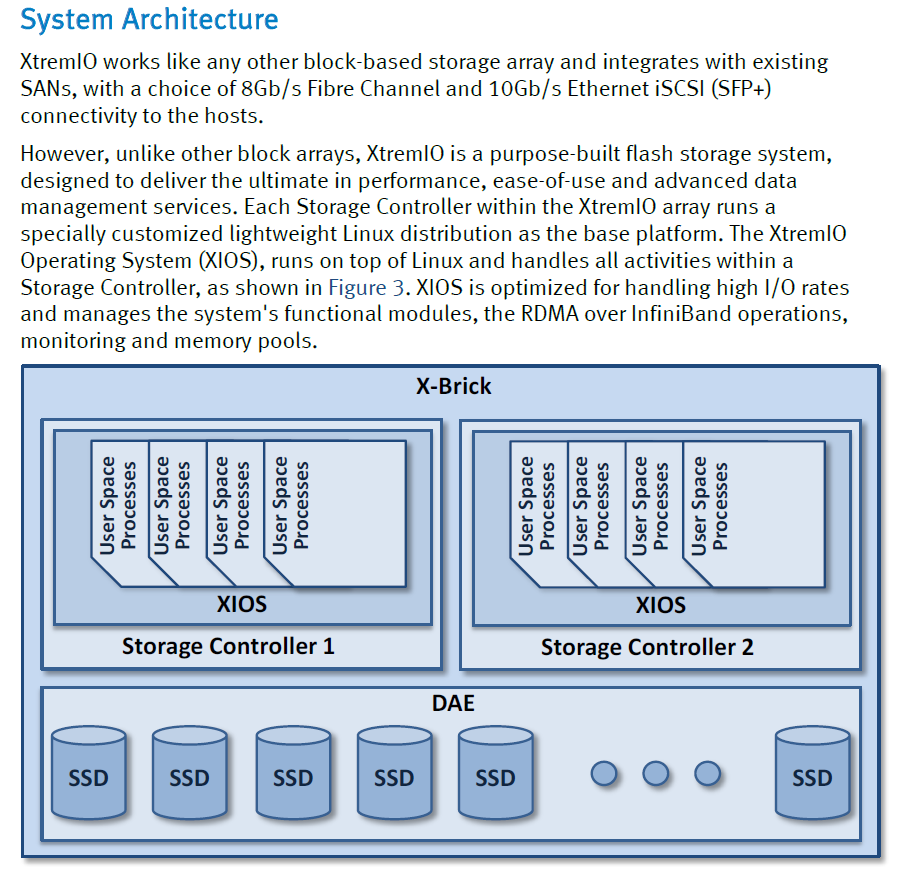
The Storage Controllers on each X-Brick own the disk array enclosure (DAE) that is
attached to them via redundant SAS interconnects. The Storage Controllers are also
connected to a redundant and highly available InfiniBand fabric. Regardless of which
Storage Controller receives an I/O request from a host, multiple Storage Controllers
on multiple X-Bricks cooperate to process the request. The data layout in the XtremIO
system ensures that all components inherently share the load and participate evenly
in I/O operations.
The XtremIO Storage Array automatically reduces (deduplicates and compresses) data
as it enters the system, processing it in data blocks. Deduplication is global (over the
entire system), is always on, and is performed in real-time (never as a postprocessing
operation). After the deduplication the data is compressed inline, before it
is written to the SSDs.
XtremIO uses a global memory cache, which is aware of the deduplicated data, and
content-based distribution that inherently spreads the data evenly across the entire
array. All volumes are accessible across all X-Bricks and across all storage array host
ports.
The system uses a highly available back-end InfiniBand network (supplied by EMC)
that provides high speeds with ultra-low latency and Remote Direct Memory Access
(RDMA) between all storage controllers in the cluster. By leveraging RDMA, the
XtremIO system is in essence a single, shared memory space spanning all storage
controllers.
Thin Provisioning
XtremIO storage is natively thin provisioned, using a small internal block size. This
provides fine-grained resolution for the thin provisioned space.
All volumes in the system are thin provisioned, meaning that the system consumes
capacity only when it is actually needed. XtremIO determines where to place the
unique data blocks physically inside the cluster after it calculates their fingerprint
IDs. Therefore, it never pre-allocates or thick-provisions storage space before writing.
As a result of XtremIO's content-aware architecture, blocks can be stored at any
location in the system (and only metadata is used to refer to their locations) and the
data is written only when unique blocks are received.
Therefore, unlike thin provisioning with many disk-oriented architectures, with
XtremIO there is no space creeping and no garbage collection. Furthermore, the issue
of volume fragmentation over time is not applicable to XtremIO (as the blocks are
scattered all over the random-access array) and no defragmentation utilities are
needed.
XtremIO's inherent thin provisioning also enables consistent performance and data
management across the entire life cycle of the volumes, regardless of the system
capacity utilization or the write patterns to the system.
X2